




Reducing carbon emissions is one of the most urgent priorities in combating climate change. While biodiesel itself significantly lowers emissions compared to fossil fuels, modern production systems take this impact even further.
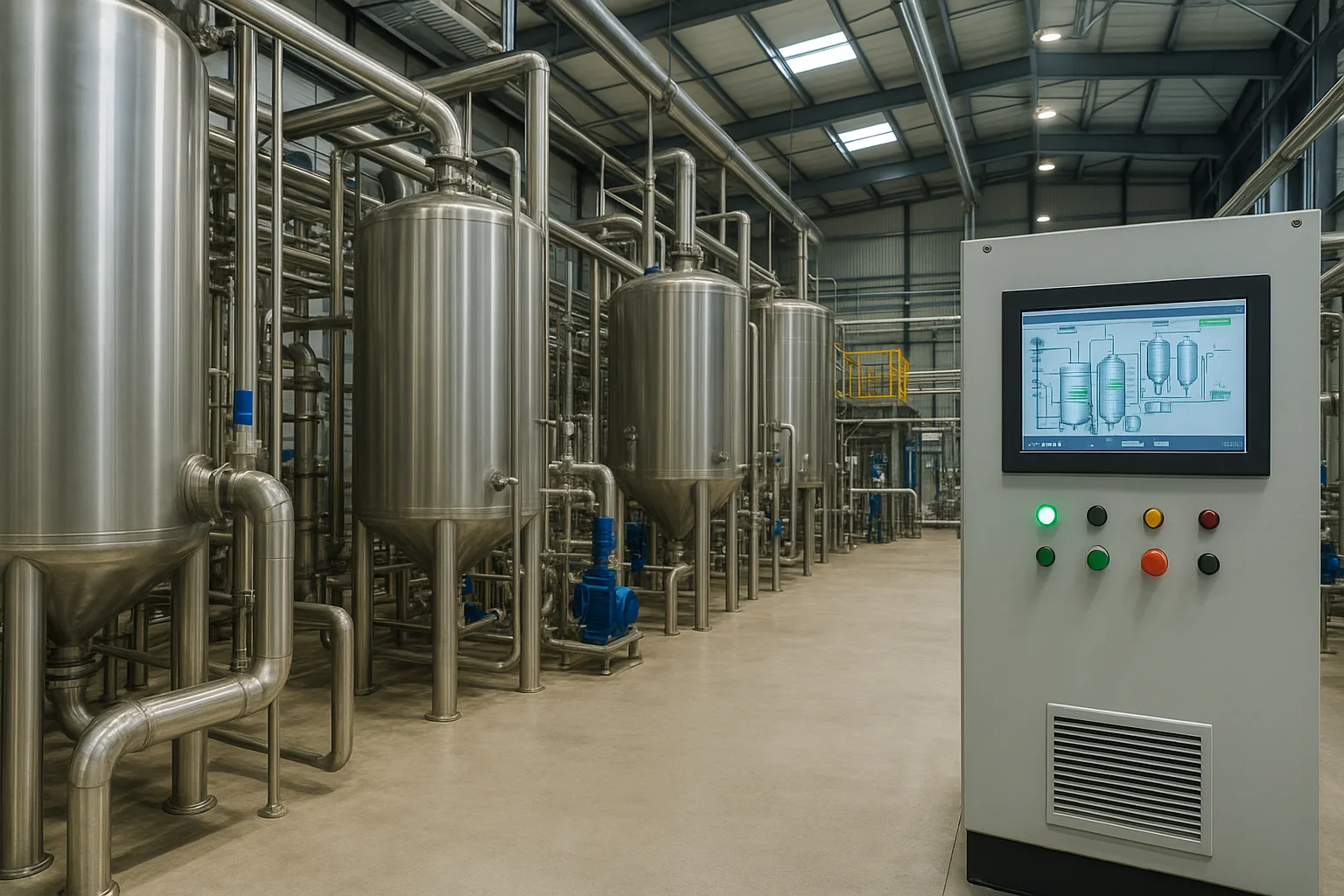
Unlike traditional processes, today’s biodiesel plants operate with fully digitalized production lines. From intake to output, every stage is monitored and optimized in real-time. This reduces energy consumption, prevents inefficiencies, and minimizes the carbon footprint of production itself.
Another innovation is energy optimization. Modern facilities reuse by-products, avoiding waste and contributing to the circular economy. For example, crude glycerin generated during biodiesel production is used in various technical applications, reducing the environmental burden while creating economic value.
Kanola Biofuels BV has invested heavily in these modern systems. By implementing automation, monitoring, and transparent mass balance reporting, the company ensures both regulatory compliance and carbon savings. The result is biodiesel that represents sustainability not only in use but also in production.
Modern biodiesel systems therefore contribute to emission reduction in two ways: by replacing fossil fuels with cleaner alternatives and by operating through climate-conscious processes.





Comments are closed